
Trump’s ‘Fully Exonerated’ Epstein Defense Isn’t Legal. It’s a Con.

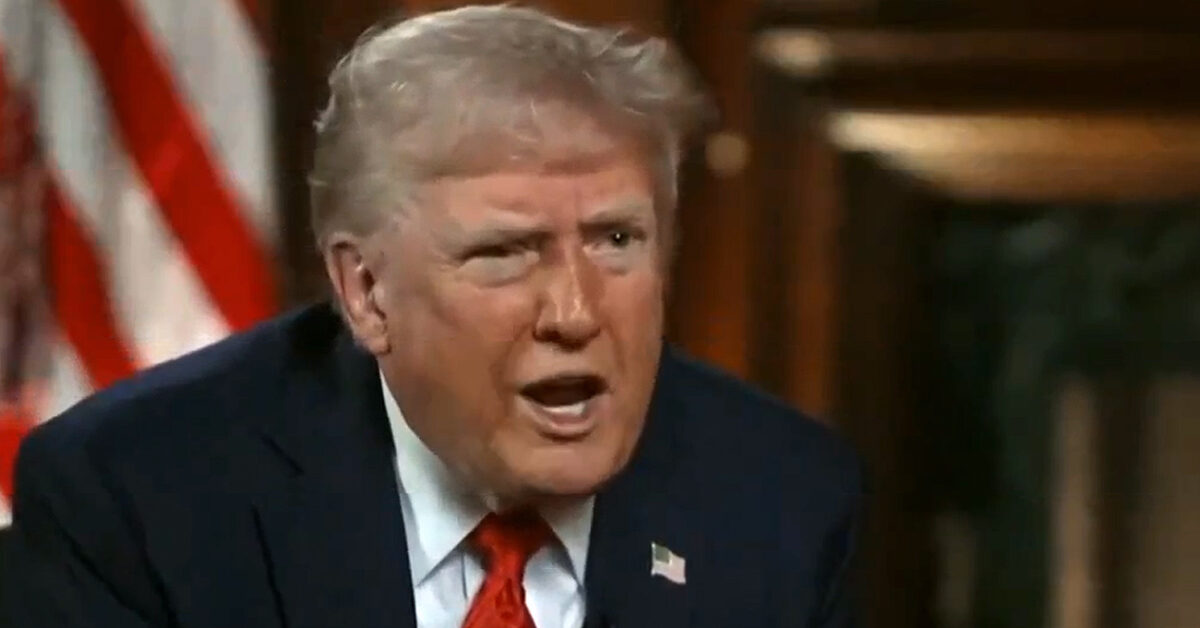
On the White House lawn Friday afternoon, President Donald Trump again repeated a declaration he’s made maybe a dozen times that he has been “fully exonerated” in connection with Jeffrey Epstein. The line is no longer offhand. It is a ritual. It arrives polished, declarative, and absolute.
The striking thing is not simply that the word is imprecise. It is that he is trying in vain to redefine it in real time.
Under its traditional meaning, exoneration follows accusation and adjudication. It is conferred by a court or investigative authority after a formal process. In Trump’s case, there has been no prosecution tied to Epstein. No indictment. No trial. No judicial finding clearing him of wrongdoing. By the conventional definition, there was nothing to exonerate.
But in a fragmented, post-institutional media environment, repetition can outpace definition. If “fully exonerated” is said often enough, forcefully enough, and without sustained correction that carries equal reach, the public meaning of the term begins to shift. It drifts from a legal outcome to a political assertion. From something granted to something claimed.
That is not defensive rhetoric. It is offensive. It is an attempt to colonize language. A con, after all, is short for confidence — the art of making someone believe something is settled before they think to ask whether it is.”
Trump is not merely arguing that he was never charged. He is compressing “not indicted,” “not prosecuted,” and “not proven guilty” into a single, blunt phrase that implies formal vindication. The word does the work of an institution. It creates the impression of a resolved case where no case formally existed.
The terrain makes that strategy viable. The Epstein story is murky for most Americans. They know it involves grotesque crimes, powerful associates, sealed documents, and unanswered questions. What they do not know in granular detail is what Trump’s documented relationship with Epstein consisted of, where it began, where it ended, and what it did or did not entail. The factual landscape is uneven and thinly understood.
Ambiguity is opportunity.
When public knowledge is shallow, the first declarative frame can harden quickly. “Fully exonerated” rushes into that vacuum and plants a flag. It supplies clarity where facts remain diffuse. It offers closure in place of complexity. And because the underlying record is not widely mastered by voters, the phrase can float above specifics.
The media dynamic amplifies the effect. The quote is inherently concise and portable. It fits cleanly into a headline or chyron. The definitional caveat requires space and patience. In an attention economy built on speed and compression, the sharper claim often outruns the slower explanation.
Trump’s deep desire to declare his innocence is understandable given the gravity of the scandal and the way the Epstein story has spun out of control. Allegations against him that his DOJ has improperly concealed, for example, does appear to have numerous holes in it. However, calls of “cover up” are in some ways supported by a ham-fisted process.
But Friday’s lawn-side declaration was not just another denial. It was an assertion that the matter is settled because he says it is. In an era of institutional distrust and fractured information, that kind of repetition does more than defend a position. It tests whether sustained assertion can substitute for formal judgment in the public mind.
This is an opinion piece. The views expressed in this article are those of just the author.
New: The Mediaite One-Sheet "Newsletter of Newsletters"
Your daily summary and analysis of what the many, many media newsletters are saying and reporting. Subscribe now!








Comments
↓ Scroll down for comments ↓