

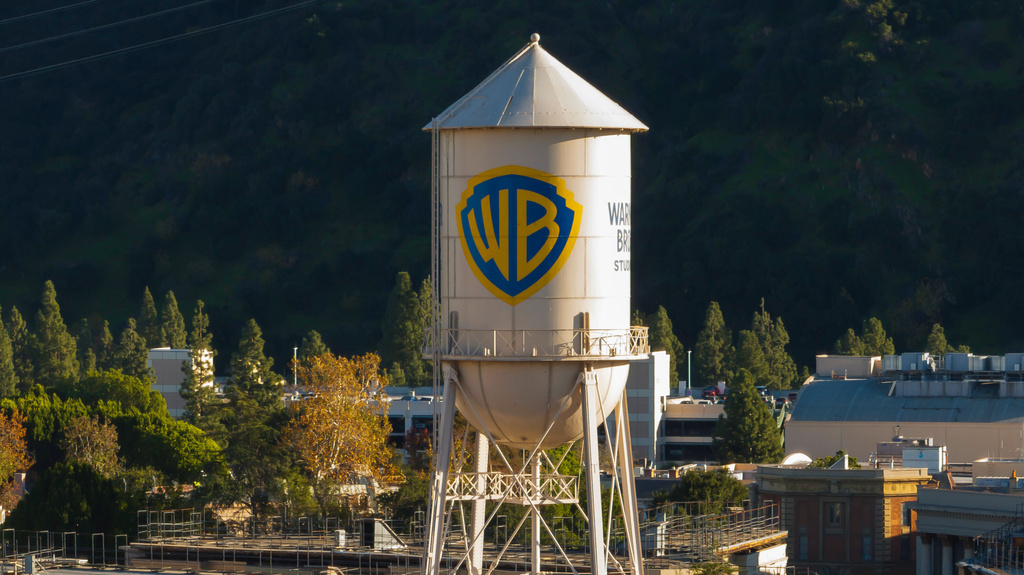
(Photo by Ted Soqui/SIPA USA)(Sipa via AP Images)
In a story that has been evolving for years, the latest roadblock in the Skydance-Paramount merger with Warner Brothers has been cleared. After much teeth-gnashing and carping from activists, and a competitive effort waged by Netflix, the deal had been completed, but was awaiting governmental approval.
For months, the expected signing off of the merger has been thrown into a trick bag when several state attorneys general filed a suit against the conglomerate. This weekend the final holdouts from among the dozen states agreed to final terms.
That legal effort was spearheaded by California AG Rob Bonta. There were two primary concerns behind the opposition of this merger: the adverse market and employment impacts of the joining of Paramount and Warner Brothers studios, and the influence this could have on the editorial independence of CNN.
Both of these oppositions are the result of knee-jerk opposition to David Ellison, head of Skydance Media, for his connections with President Donald Trump. Because of this, there has been widespread opposition seen in Hollywood over this corporate union, something not seen with this level of emotion when Disney took over 20th Century Fox.
Skydance-Paramount oversees the CBS Network, and he has been blamed for installing the contentious head of the CBS News division, Bari Weiss. After a year of hostilities and hysteria in the media landscape about her rise to that position, the emotions are now focused on CNN.
As part of the settlement there are provisions the newly-formed entity must agree to. The company is to spend $300 million on domestic film production above its budgeted totals from the 2025 production schedule. The combined studio output of content into theaters will be 30 titles per year. Should the company fail to meet that quota an estimated sum of $30 million per missed release will be paid into a fund.
Following threats of the company pulling out of the Los Angeles region, the company pledges to maintain the studio lots for both Paramount and Warner Brothers in Hollywood. One other provision was focused on the news divisions.
A decree in the agreement was to establish a news editorial independence board. This entity will be overlooking the operations of CBS News and CNN. This is done to serve as a firewall that the news outlets will not endure undue influence from the corporate executives. Brian Stelter can breathe a sigh of relief. (That is, unless the foundering CNN is spun off from the company.)
While this is all being looked at as good news for the industry in general, and the California economy specifically, there are lingering doubts. This is meant to sound as if they have locked in work in the state, but that may not be the case.
That domestic money could be used to budget for films made in other states. California has become especially hostile to film and TV work over the years, and production flight has been moving at a shocking pace. In 2025 shooting days hit a new low figure, and that only appears to be trending downward.
The American Idol show announced recently it is relocating to Georgia. Things are so bad for studios that the Fox game show The Floor shoots episodes in Dublin, Ireland. Wrap your head around that detail; it is cheaper for the studio to fly 100 people, plus production staff, to Europe and put them up, rather than shooting in Los Angeles studios.
So for now Mark Ruffalo and others can claim victory, but it remains to be seen exactly what benefits they will be realizing as a result of these merger terms being met.
This is an opinion piece. The views expressed in this article are those of just the author.
New: The Mediaite One-Sheet "Newsletter of Newsletters"
Your daily summary and analysis of what the many, many media newsletters are saying and reporting. Subscribe now!

Comments
↓ Scroll down for comments ↓