
Ric Grenell’s Media Conspiracy — A Desperate Tell of Trump-Kennedy Backlash

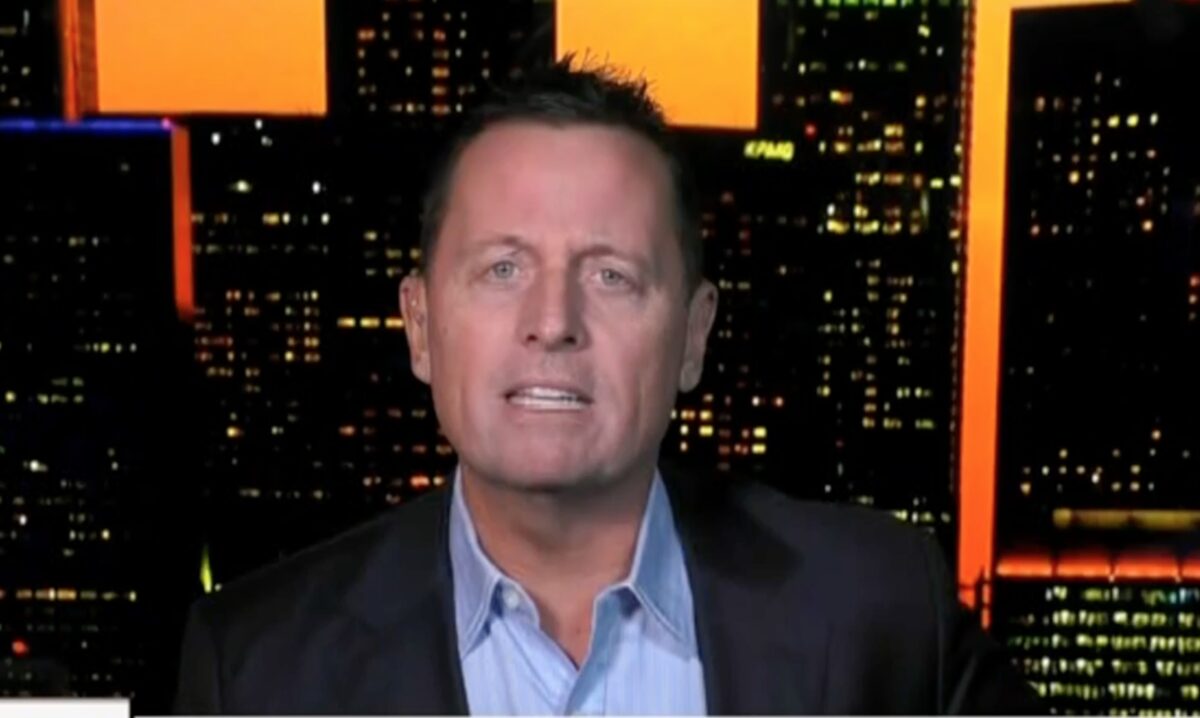
Ric Grenell just handed us a perfect case study in how power defends itself once the paperwork comes out.
On X, the recently installed chief of the Kennedy Center claimed he had been “informed” that booked performers were receiving emails from CNN and The Washington Post urging them to boycott the newly rebranded venue. It is a sweeping allegation, and it comes packaged with the usual insinuation that “legacy media” functions as a political machine rather than a reporting institution.
The funny thing about this kind of claim is how easy it is to verify whether it’s true. If emails exist, artists can confirm receiving them. Screenshots can be shared. Names can be attached. Newsrooms can respond. A trail appears quickly when the allegation involves written communications sent to multiple recipients. So far, no trail.
I reached out to Grenell for evidence and specifics using multiple email addresses and a cell number I have for him. I have not received a reply. That can mean many things, including the pedestrian possibility that the contact information I have is dated. It does not change the evidentiary problem: A claim this specific needs something sturdier than “I have been informed.”
This is where the timing matters, and where this becomes a follow-up rather than a rehash of the earlier outrage cycle. In my column yesterday on the Trump-Kennedy Center backlash, I argued that the renaming produced predictable fallout and that Grenell’s public posture relied on denial and coercion. Now Grenell is not merely denying causality. He is outsourcing it to a conspiracy.
At almost the exact moment Grenell launched his media accusation, The Washington Post published reporting that makes the institutional story harder to wave away. The Post obtained bylaws and meeting records showing the center revised its rules earlier this year to limit voting to presidentially appointed trustees and exclude congressional “ex officio” members from voting or even counting toward a quorum. That change preceded the unanimous vote by a board installed by President Donald Trump to add his name to the John F. Kennedy Center for the Performing Arts. Legal experts told the Post the bylaw move may conflict with the center’s charter.
That reporting reframes Grenell’s tweet. The story is no longer confined to culture-war posturing or bruised feelings. It is about procedural capture followed by narrative defense. Once the mechanics of the takeover become documented, scrutiny becomes the enemy, and the enemy becomes “the media.”
This is the dynamic conservative columnist David French described this week when he warned about “manufactured distrust” in major institutions, in this instance, the mainstream media. Many people do not read legacy outlets and instead consume constant attacks on them. The result is an audience primed to accept accusations without evidence because the accusation fits a preexisting caricature.
Which brings us to the line from my friend Aidan McLaughlin, who put it with the kind of brutal clarity Grenell invites: “Either Ric is dumb enough to believe this or he has such contempt for his followers that he thinks they are. Neither option is good.”
The point is not to defend CNN or the Post as institutions that never make mistakes. The point is that Grenell is making a claim that is checkable, traceable, and catastrophic if true, and he is offering it without the one thing it requires: proof.
Mediaite covered Grenell’s allegation as news. The next step is the one Grenell wants to short-circuit: evidence.
The bylaws tell one story. The calendar tells another. Grenell’s tweet tells a third. Together, they describe a familiar pattern: engineer the outcome, deny the consequences, and discredit the institutions documenting both.
This is an opinion piece. The views expressed in this article are those of just the author.
New: The Mediaite One-Sheet "Newsletter of Newsletters"
Your daily summary and analysis of what the many, many media newsletters are saying and reporting. Subscribe now!






Comments
↓ Scroll down for comments ↓