Amid the Media Mewling, Are the Courts Ignoring a SCOTUS Ruling Justifying the Press Ban?


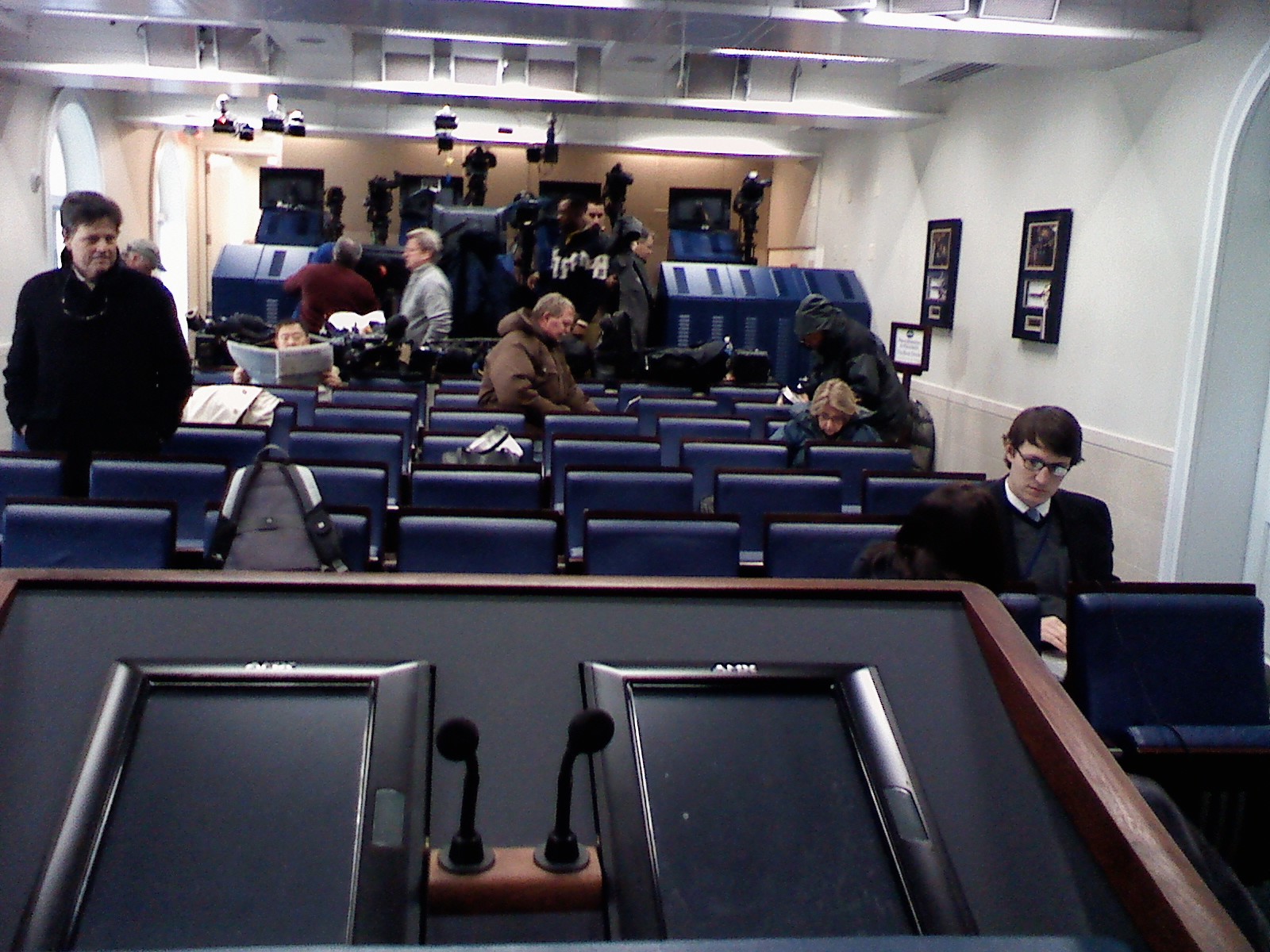
After the overnight ruling that the White House must reinstate the press credentials of the banned outlets, the drama continues to unfold. As of this writing, the White House has only just granted access to journalists from CNN, MS NOW, and Politico.
What is curious in all of the furor over this episode is the legal wrangling seen after this move was made last Friday. Almost immediately, the three ousted entities involved in that press ban banded together to file a joint case to have a judge reinstate their access. Here is where the contradictions emerge.
While the outlets were proclaiming a First Amendment violation, they delivered all sorts of emotional entreaties about the importance of their work. Especially at CNN, the plea that their presence in the White House is compulsory was a perpetual message.
Yet the network defied its claims, and by extension its legal arguments, when it boldly displayed a reluctance to cover the president in retaliation for the ban. So when President Trump spoke at the United Nations this week, CNN was the holdout network that would not run his speech live.
CNN alone not taking the speech live. https://t.co/VMrMrIaxU4 pic.twitter.com/HWWt7hB3ms
— Mark Halperin (@MarkHalperin) September 22, 2026
In similar fashion, a collection of other news providers refused to provide press pool content, with some ducking from covering the meeting with China’s leader Xi Jinping in a show of solidarity with those banned. So just how is it that you can argue your work is vital, and you are being silenced by the administration, while at the same time you are steadfastly refusing to perform that same vital and required work?! They are complaining as a voluntary press ban is taking place.
As Mediaite covered when the ban was first announced, things are legally complex in untangling the issue. There is a contradiction that could be found in the courtroom. The ruling was that the press access could not be rescinded without due process. This does not stand up to logic.
For a journalist to work in the White House they need to be issued credentials. That should mean the entity granting that permission would also possess the power to revoke it as well. Not so, say the courts. Apparently, there is a level of permanence applied to press credentials.
There is another legal curiosity, in that there is actually a legal precedent on this issue. There is a real question about whether the courts are ignoring a Supreme Court case that addressed the very matter of the press in the White House. It came about in a rather indirect manner.
In 1965, SCOTUS heard the case of Zemel vs. Rusk. This was a case involving the ability of the government to restrict the foreign travel of citizens. Stemming from the decision surrounding the Cuban Missile Crisis, the suit challenged the State Department decision to restrict travel to that nation.
Louis Zemel was a citizen who wanted to travel to Cuba to learn what was taking place, and his effort was blocked, so he sued. In the 6-3 decision upholding the constitutionality of the government restricting travel, Chief Justice Earl Warren appears to address the gauzy nature of 1st Amendment application to these decisions.
After all, no one is saying you cannot report on things when you have access denied to a particular place. Warren hints at this being the case. “The right to speak and publish does not carry with it the unrestrained right to gather information.” His words leading to this conclusion, in his majority opinion, mentioned the exact issue playing out in the press today.
There are few restrictions on action which could not be clothed by ingenious argument in the garb of decreased data flow. For example, the prohibition of unauthorized entry into the White House diminishes the citizen’s opportunities to gather information he might find relevant to his opinion of the way the country is being run, but that does not make entry into the White House a First Amendment right.
So the question arises: How are judges bypassing this rather direct conclusion arrived at by the Supreme Court? The entire basis of the lawsuit brought by the three outlets is that they are having their First Amendment rights violated by this press ban. Warren wrote very directly that this is not the case.
This stands as another example of the murky condition of this conflict. The real question is how the blocking of free expression is taking place through the act of barring access, especially since access is not granted to everyone at the start?
And, as we often see in these claims being made, how exactly are these outlets being silenced when they have not shut up about what is happening for a full week now?!
This article has been updated to correct a mistake in a quotation from the court opinion.
This is an opinion piece. The views expressed in this article are those of just the author.
The Mediaite One-Sheet "Newsletter of Newsletters"
The single summary and analysis of what the many, many media newsletters are saying and reporting from both sides of the aisle. Subscribe now!

Comments
↓ Scroll down for comments ↓