Iran Could Receive $300 Billion ‘Reconstruction Program’ Under Emerging Deal: NYT

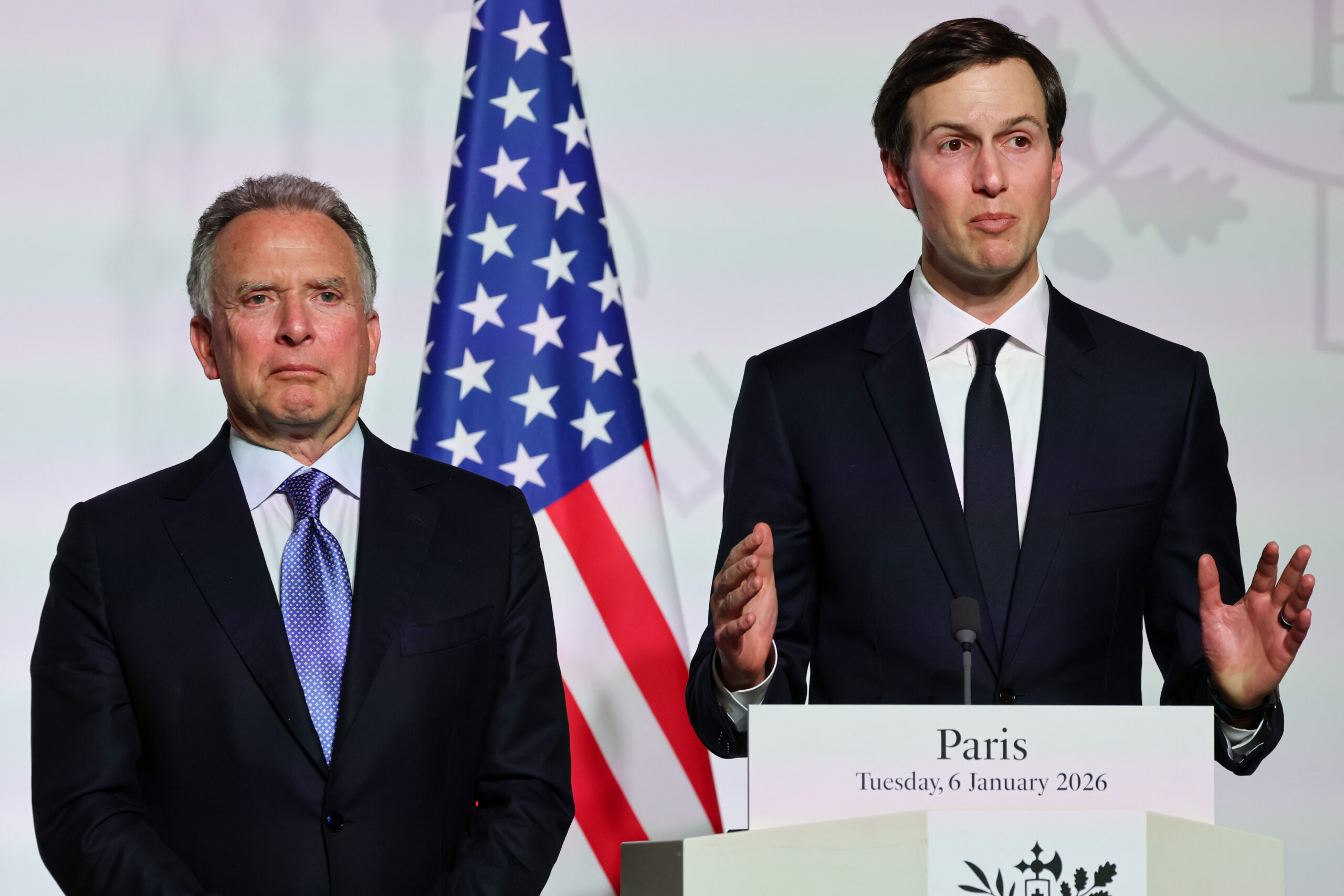
(Ludovic Marin, Pool photo via AP, File)
According to a Thursday report from The New York Times, the draft framework being discussed by U.S. and Iranian negotiators would pave the way for a massive $300 billion “reconstruction program” for Iran as part of the broader agreement to end the conflict.
In a thorough run-down of the new draft, the Times‘ Erika Solomon and Farnaz Fassihi reported that officials are working to establish the groundwork for future talks over Iran’s nuclear program, sanctions relief, and a formal conclusion to the war. As of Friday, President Donald Trump has not yet approved the proposal.
One of the most striking provisions under discussion is what one Iranian official described to The New York Times as a $300 billion “reconstruction program.” Two diplomats familiar with the negotiations characterized the proposal as an international “investment fund” that the United States would help make possible.
The concept reportedly emerged after Tehran sought compensation in previous negotiations for damage sustained during the conflict, with some Iranian officials estimating losses between $300 billion and $1 trillion.
According to the Times, the proposal also builds on ideas previously floated by Middle East envoy Steve Witkoff and Trump’s son-in-law Jared Kushner, of whom “some mediators” said “had suggested promoting real estate projects in Tehran and an investment fund in the event a deal was reached.”
The draft framework reportedly addresses several other contentious issues, including reopening the Strait of Hormuz, easing restrictions on Iran’s frozen assets, and establishing terms for a temporary cessation of hostilities while negotiations continue.
The fate of Iran’s nuclear stockpile would be decided during a later round of talks. Under one version of the proposal described by Iranian officials, Tehran would suspend its nuclear program while Washington agrees not to impose additional sanctions during negotiations.
The report noted that while disagreements remain over key provisions, including the length of a ceasefire, the timetable for lifting maritime restrictions, and the future status of Iran’s uranium. Diplomats involved in the talks told the Times that the latest draft appears closer to winning approval than previous proposals.
New: The Mediaite One-Sheet "Newsletter of Newsletters"
Your daily summary and analysis of what the many, many media newsletters are saying and reporting. Subscribe now!








Comments
↓ Scroll down for comments ↓